
Building knowledge.
Building skills.
Building readers.
Transform your classroom into an extraordinary learning lab with a Game Based method that combines traditional content with real world skills.
Play To Learn
Read The Room
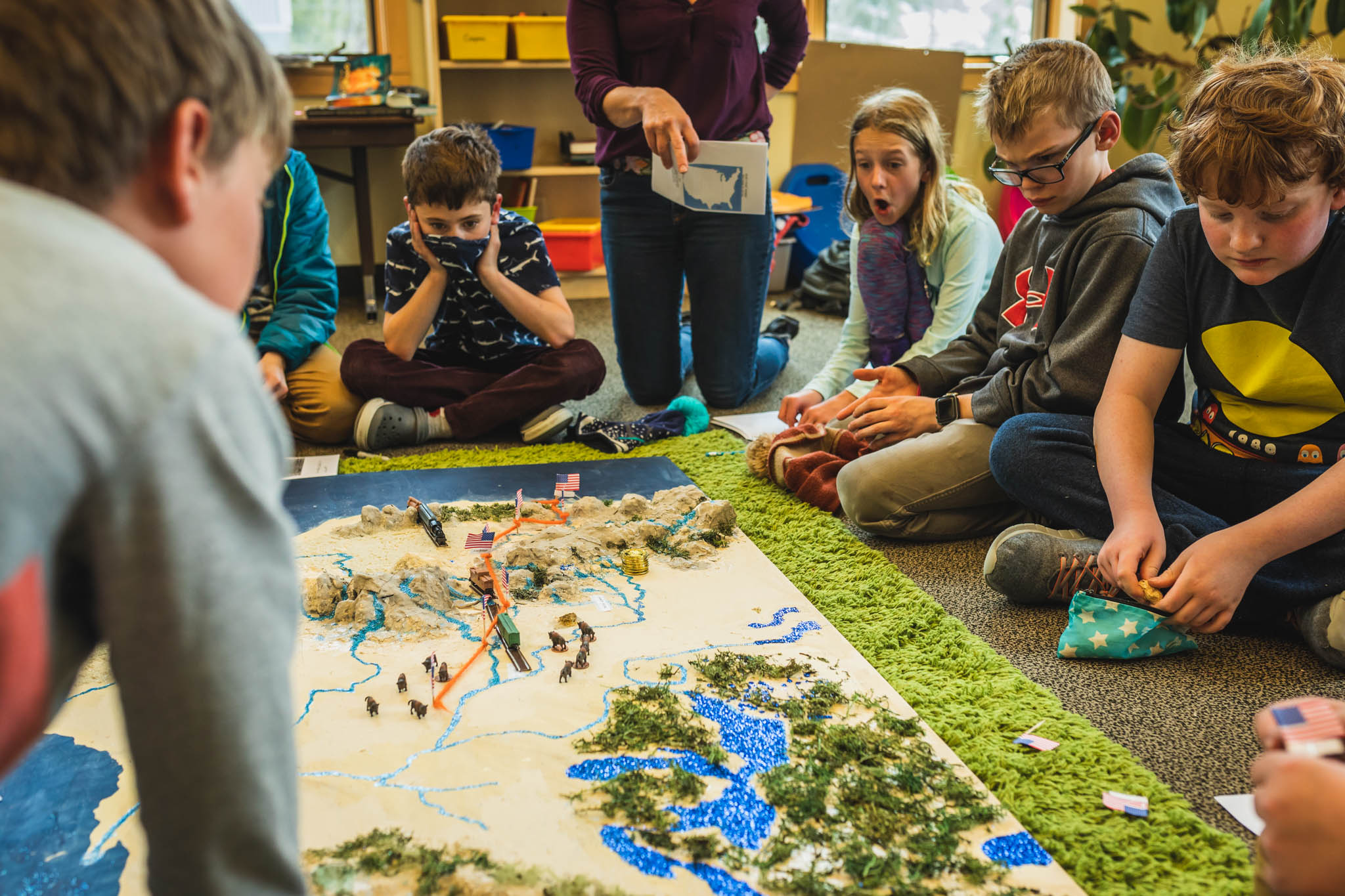
Pattern Recognition
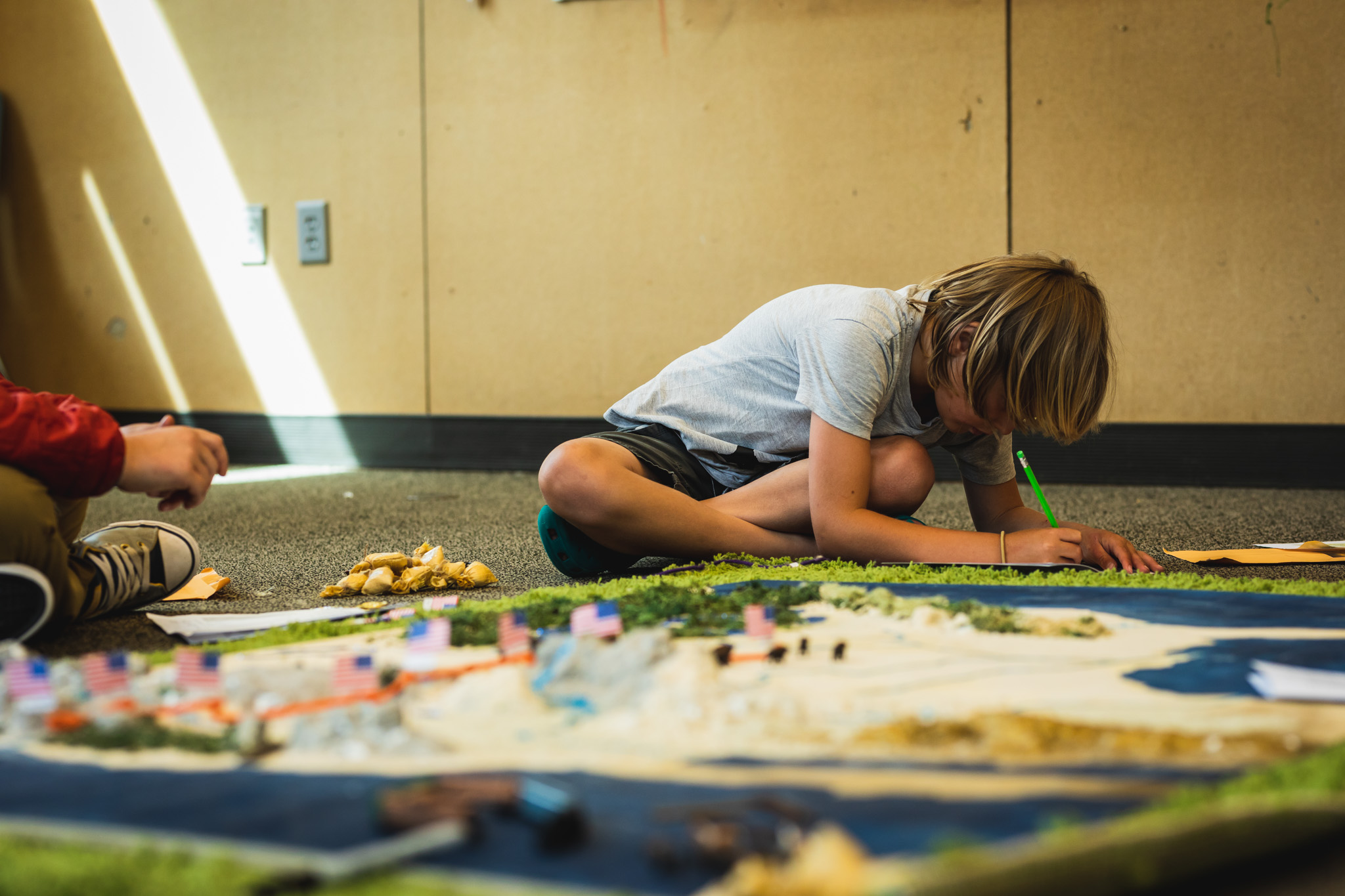
Make It Right
What is eduPLAYnation?
eduPLAYnation is an online platform that hosts task conflicts, a STEM application that puts social studies into the foreground of literacy instruction. This novel approach uses human connection to spark connection, putting every learner into the heart of the game!

What are JAMS ?
JAMs are 50-minute shortform games that position small groups to layer historical viewpoints, review bias & test truths. Stacked by schema & organized by standard, your class can use JAMs as stand-alone activities, or as prequels and sequels to bridge BRAVE board games. Play one, or play ’em all!

Why are JAMS important ?
Ever been in a jam? Of course you have; everyone has! The trick is learning how to get out of a jam without creating a bigger mess. Enter JAMs. Problem-based activities that hinge on skilled reading, healthy dialogue and creative problem solving. Because conflict is messy. (Good thing kids love sticky situations!)

What are BRAVE games ?
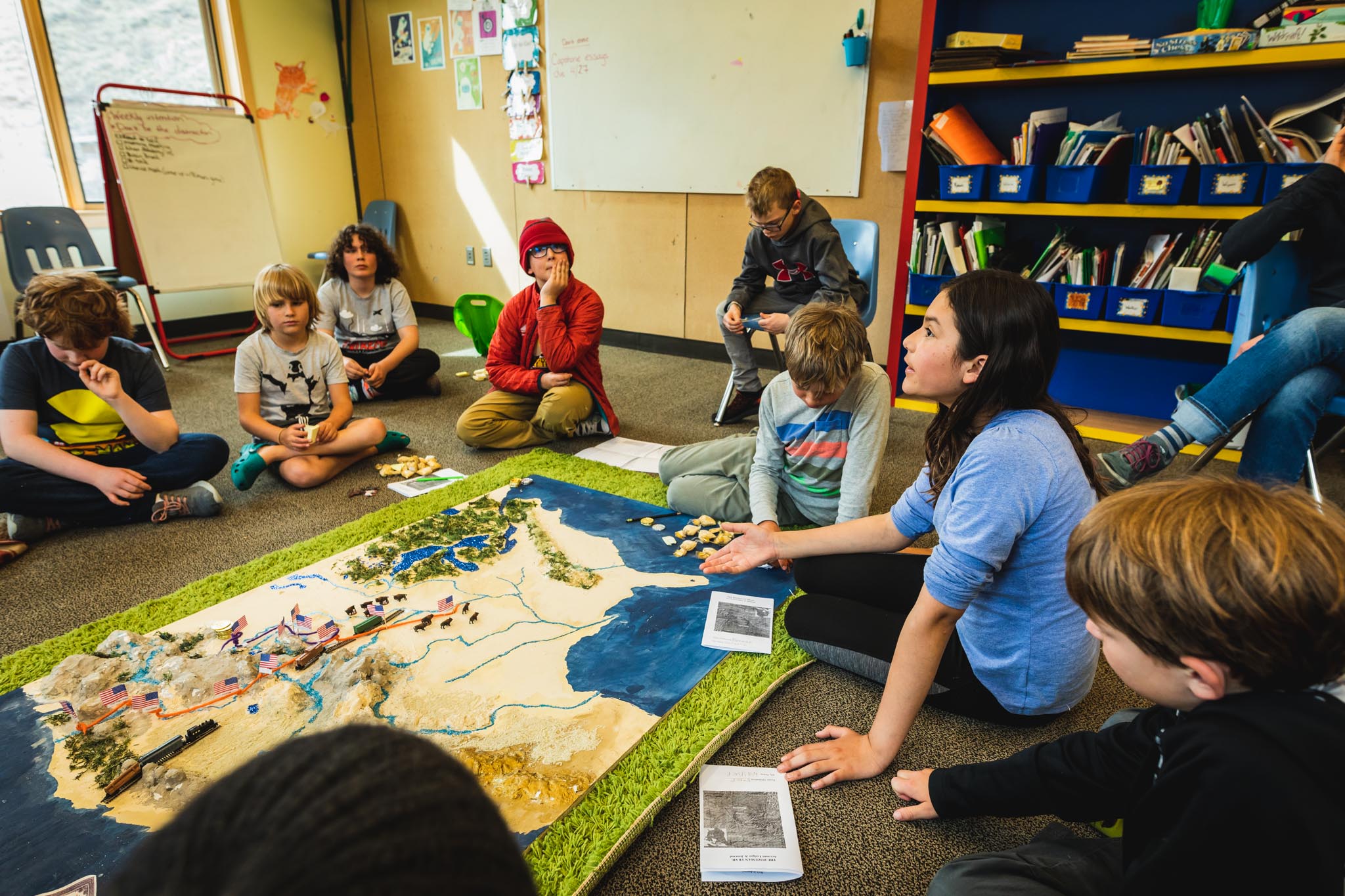
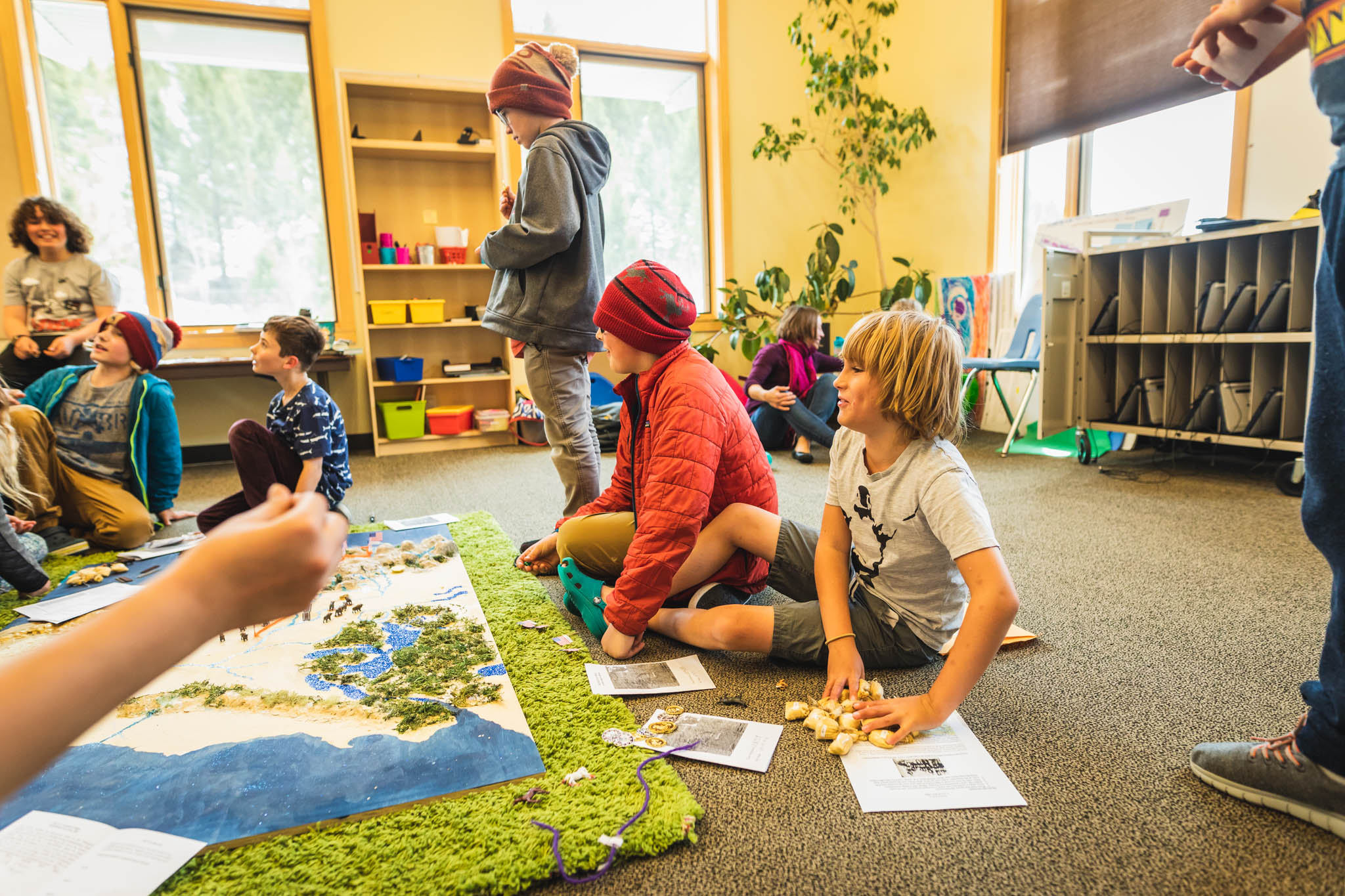
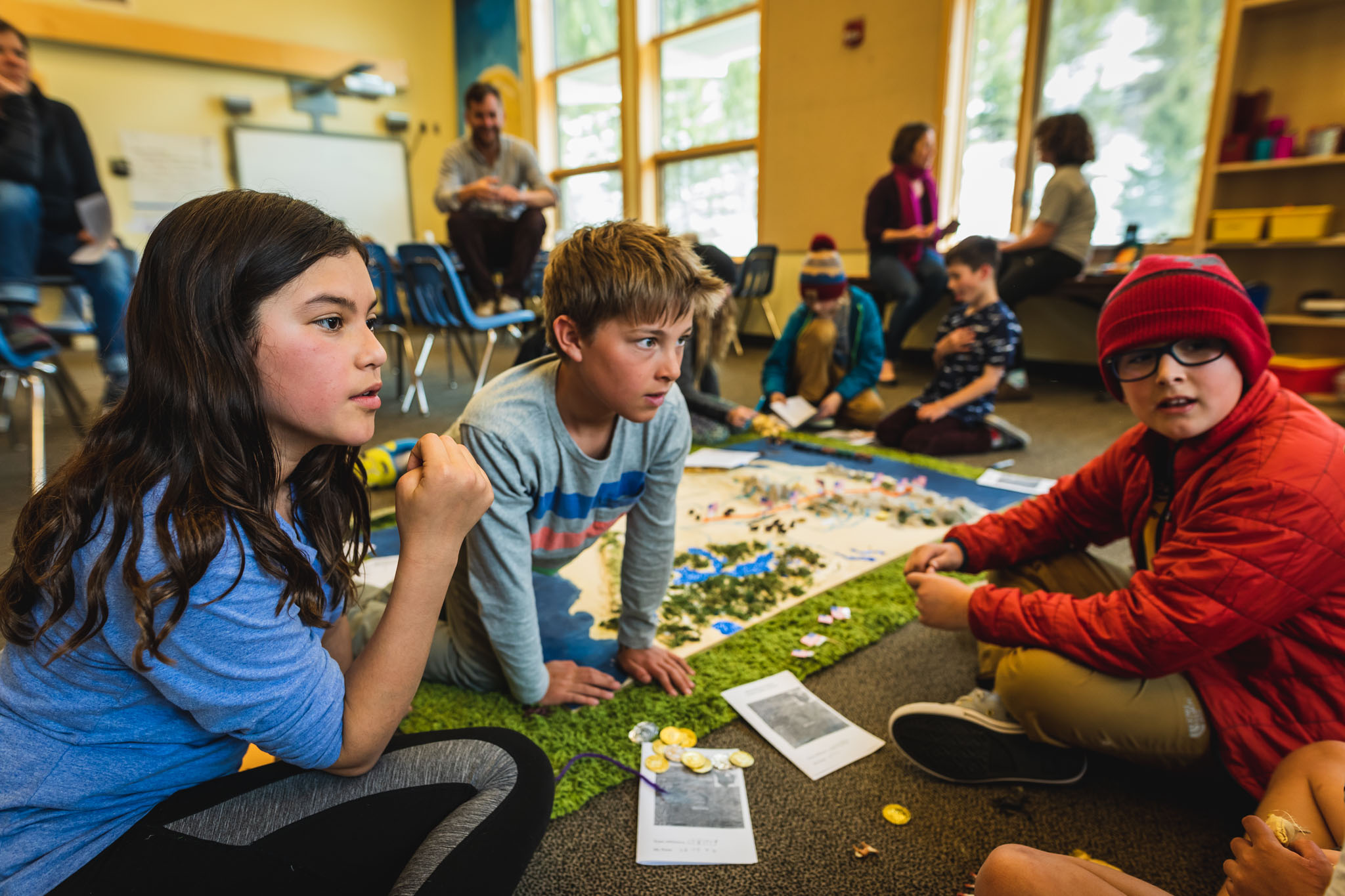
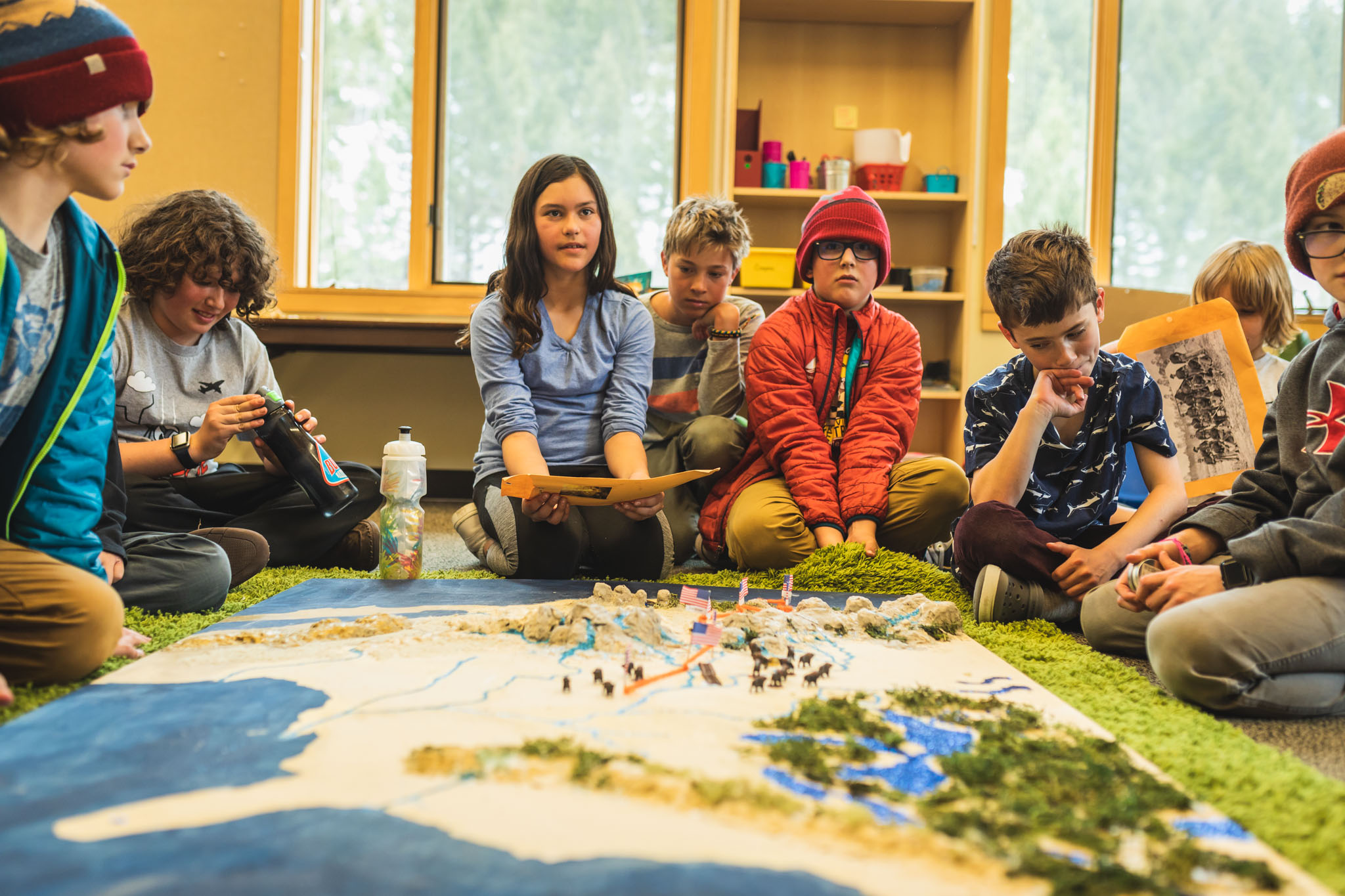
BRAVE games are longform board game history games. Whereby a classroom is divided into 5 or 6 teams and tasked with identifying their competitive advantage to buy, sell, and trade small game pieces to reveal history's push and pull. There are four (4) BRAVE board games, with each one using the same board game surface to explore different regions/eras of U.S. History.


How Do You Play a JAM ?
Follow these steps to play any and every JAM, 50-minute task conflicts that will transform your social studies classroom into an extraordinary learning lab.
BOOKLET
Each JAM has an optional Pre-Game Warmup that presents a unique schema, embedded vocabulary & reflections to frame learning ahead of a JAM. Highly recommended, not essential. Download & print.
ENGAGE
The hook is a quick quote, idea or brain teaser that piques interest one minute before a JAM begins. Found on the first page of each 16 pp. PDF
SETUP
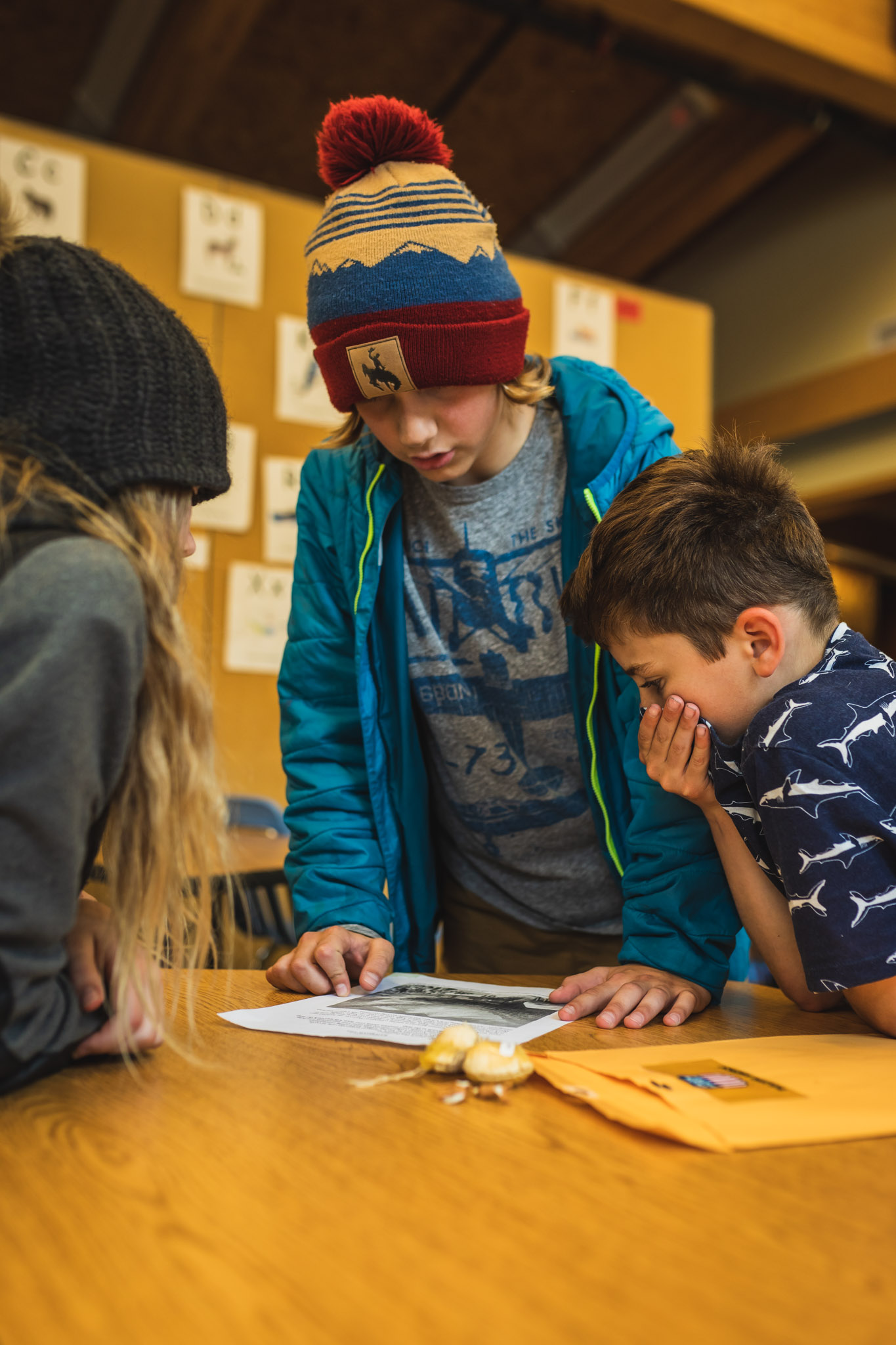
Teachers organize their class into small groups, 4 or 5 students. Next, deliver 1 page/role/student.
EXPLORE
Individual group members read and annotate their unique viewpoint.
EXPLAIN
Small groups collaborate to layer multiple viewpoints. Like putting the pieces of one, large puzzle together. Use key questions to build context: Who, What, Where, When & Why.
ELABORATE
Large group reconvenes to clarify key points found in Guiding Questions.
EVALUATE
Small groups reassemble to complete graphic organizers, fill in the timeline, and diagnose the embedded conflict.
EXTENSIONS
(6) extensions, labeled B-G, provide structured journaling, retrieval practice, interleaving, analysis, and more!
BRAVE Games
Alliance Diplomatique
A clever take on statecraft whereby six teams across colonial North America meet the triple challenge of nation building, international diplomacy, and economic sustainability. Iroquois Confederacy, Britain, 13 Colonies, France, New France & the Wabanaki Confederacy—we know which team wins this game. The question is, what empowers nations to thrive over time?
Hopewell
Welcome to Hopewell. A call to Federalist and farmer, Cherokee, Chickasaw, Choctaw, Cajun, Creole & Free People of Color. Here, students explore the Hopewell Treaty era by revealing the Yazoo Land Fraud, the Compact of 1802, the Louisiana Purchase, War of 1812, the Era of Good Feelings, the Marshall Trilogy and more! Because if the balance of power is stolen, history has its eyes on you.
PODER
Just because you can, does that mean you should? With PODER, students create a head-spinning model of Manifest Destiny. From commodity deals in Louisiana and trade fairs in Santa Fe; from the Alamo, the Battle of San Jacinto and the Texas Republic; to a lone soldier breaking the chain of command in Alta California! The trick is clearing the gap between power and protocol.
Bozeman Trail
Set against the backdrop of the 1851 Treaty of Fort Laramie, this illegal short-cut off the Oregon Trail explores the nature of boom & bust economies across the Northern Plains from six viewpoints. Learning culminates as teams race to manage the 2016 Standing Rock/Dakota Pipeline conflict using the game’s original constraint. Because Tribal treaties aren’t history , they’re federal law.

JAM Series





Trusted Voices From Our Nation
4th grade teacher, Desert View Elementary, Rock Springs, WY
At the beginning of the week I was skeptical my students would be able to manage this much complexity. But after listening to them debrief their combined experiences during the last session, I realized ALL of my students successfully met the learning objectives. Now I’m skeptical adults could do what my students just did.”
Jess Moore, 4th grade teacher; Jackson Elementary Wyoming
eduPLAYnation is a game-changer in my classroom of diverse learners! From interactive lessons to thought-provoking activities, every component of this curriculum is meticulously designed to capture students' attention and foster deep understanding. Students have opportunities to develop skills as readers, critical thinkers, writers, team players and above all else advance their social skills.
Kathy Brower, St. Stephen’s BIE School, Riverton, WY
The students learned so much in such a short time. A good testament for the success of the games was that all of the students wanted to know when we could play again! As a teacher, that kind of enthusiasm tells me that it was a real success.”
Anne B.; parent, Jackson, Wyoming
Watching my son engage with the BRAVE games while learning Western history was incredible. The games made history come alive for him in a new way; like he was living the moments. He came away not only with a deeper understanding of the past but also with a newfound enthusiasm for learning. I couldn’t have asked for a better way to make history both fun and meaningful for him!”
Ali & Will E.; parents, Jackson, Wyoming
Our child loved playing PODER! He came home everyday with updates on gameplay. As parents, we were excited that he wanted to share what he’d learned. More importantly, we noticed that sharing knowledge was boosting his confidence! Listening to him proudly explain what he’d learned was so fun, and so fulfilling! What an awesome addition to the curriculum!”
5th grader; Kelly, Wyoming
I really appreciated the time and effort you put into this Bozeman Trail game. It was very fun and engaging, and really grew my understanding of the 1800s. It also allowed me to studie [sic] the economy. It was really fascinating learning about how people loved consumerism and would get so wrapped up in it, they would kill other people just to get it. I defi nitely think that though there was so much emotion and greed I really think the WHOLE class enjoyed it. Thank you for a whole week of amazing, emotional, fascinating, fun, and very stressful week!!!”
4th grader; Kelly, Wyoming
I’m not good at writing letters. But I would like to thank you for coming to our school. I’ve learned about figuring out peoples bias, and how to respect it. Thank you!”
4th grader; Casper, Wyoming
The game made me more confi dent for in later life and adult-hood: it made me better at dealing with making better disitions [sic] when I am stressed. You should play the game with adults then compare them to us…”
10th grade ELL student, Jackson Hole High School, Jackson, WY
In my opinion these games are a fun way to learn the history of our past, it doesn’t make me want to sleep in history class, no offense to my teacher, but instead we learn something from it while being part of the game. The game helps us feel the way the people then did, we had empathy for them. I think this game should be played by many other schools, I think they would enjoy them.”
4th grader, Jackson Elementary, Jackson, WY
The most yousfull [sic] thing is learning how to solve problums [sic] without a fight.
4th grader, Jackson Elementary, Jackson, WY
It is fun, and you get to learn new stuff about history everyday. You learn how people survived and helped or didn’t help people.
Sherry Smith, SMU Professor Emeritus
The most important thing about these games is that it makes it really clear to students and anybody who plays this game that history is not just one story; it's a multiplicity of narratives and explanations and points of view. It’s a chance to understand how complicated history is.
History is easy now
I personally recommend eduPLAYnation! It makes learning history incredibly accessible and straightforward. The platform is well-designed, intuitive, and a fantastic resource for both students and educators






Frequently Asked Questions
The primary goal of playing a JAM is learning how to layer viewpoints before forming a response. JAMs look like fun and games (they are!) but the point of gaming is to create pathways that support higher order thinking: impulse control; skilled reading & writing; verbal reasoning; and background knowledge. Taken together, increased perspective defined as taking all relevant data into account.
Yes! JAMs are a celebration of our democratic republic; an extraordinary mosaic of different people, cultures, languages and religions. Of course, it's only natural that we've clashed from time to time, which is why we built these games: to explore the tangled roots of our shared humanity. In that spirit, eduPLAYnation neither lionizes nor demonizes historical figures. Instead, games position students to empathize with an assigned role insofar as they're revealing data. As patterns arise, players develop diagnostic tools that are likely to help them course correct when their lives go sideways. Hey, it happens to the best of us!
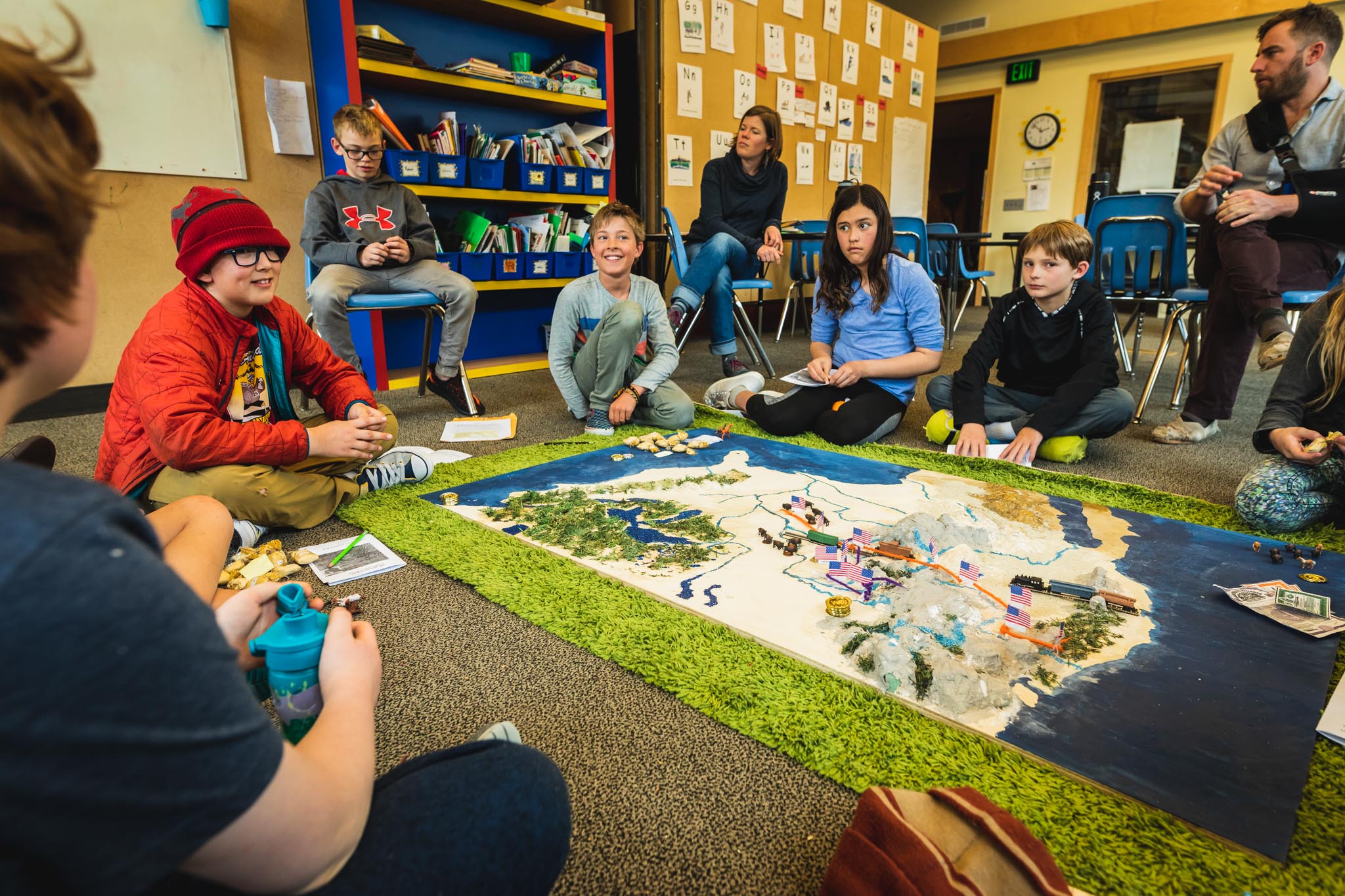
We're positive. We tested JAMs with every age group from 10-70 and found they work brilliantly everywhere! In contrast to "emotional" conflicts, JAMs are gentle, inclusive, and exhaustive. Who doesn't wanna learn how to JAM?(Note, elders at beta sides reported feeling angry their history classes were mired in myth and void of complexity). The reason we decided to level JAM texts for 4th & 5th graders is because BRAVE board games work best at those grade levels and JAMs were initially designed to enhance that content. Why? FIRST, R&D illustrated this demographic is the sweet spot for playing through narratives. SECOND, upper elementary is just beginning to think independently and critically, whilst JAMs walk players through the complexities of higher order thinking. THIRD, research shows reading & writing are binding tasks. Meanwhile, JAMs give kids something to write home about, literally! FOURTH, upper elementary students love skilled learning (who doesn't). To that point, cognitive science indicates memories last longer when the social brain is involved in learning. FIFTH, perspective taking and conflict resolution are fantastic skills to hone before middle school when adolescence makes life even more tricky!
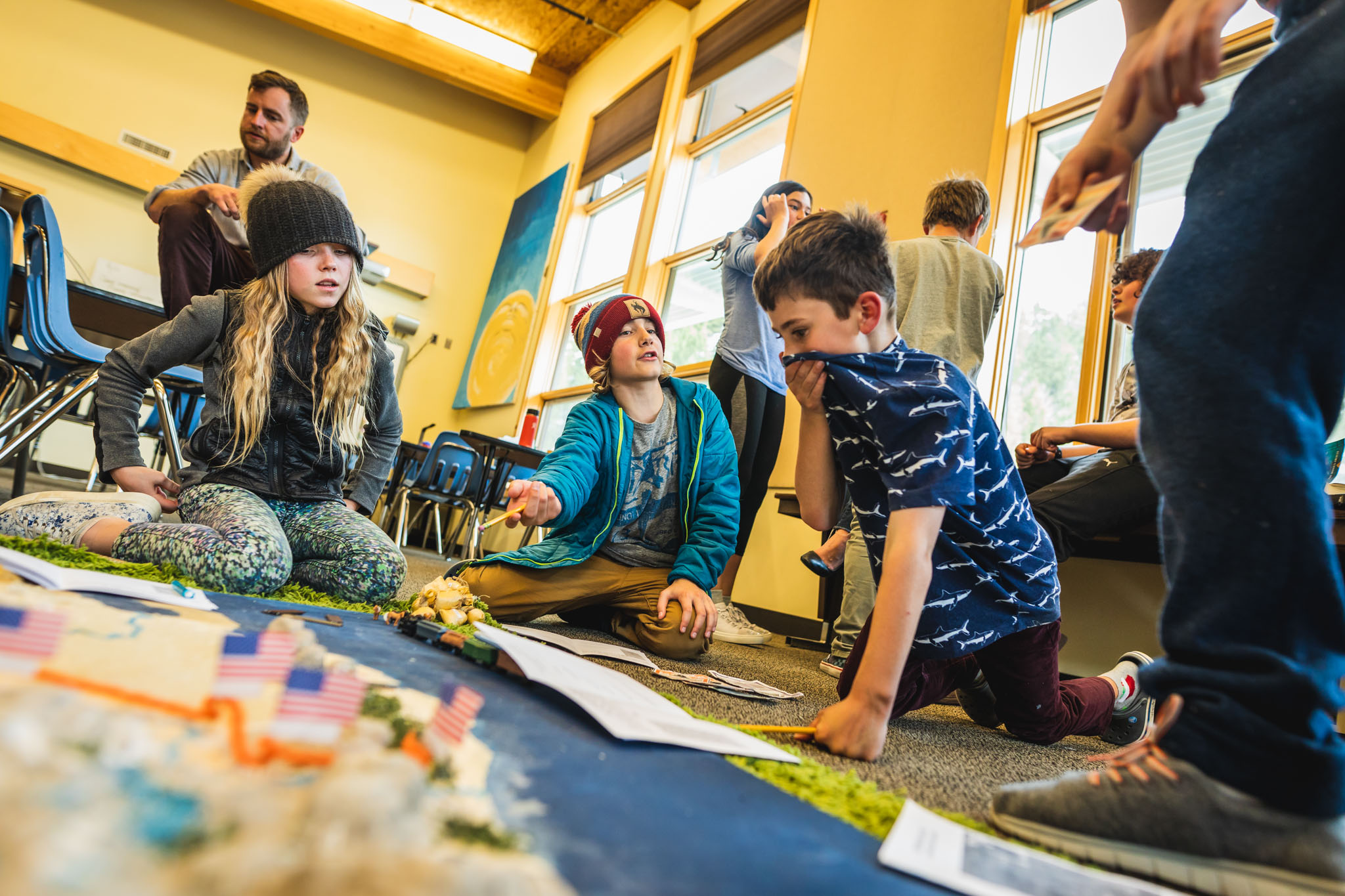
Conflict is inevitable; how we engage is a choice that influences outcomes. We can react, OR we can respond with knowledge based skills that help everyone transcend the root causes of conflict. But it's not easy! That's why children need to practice conflict in safe spaces, and as often as possible.
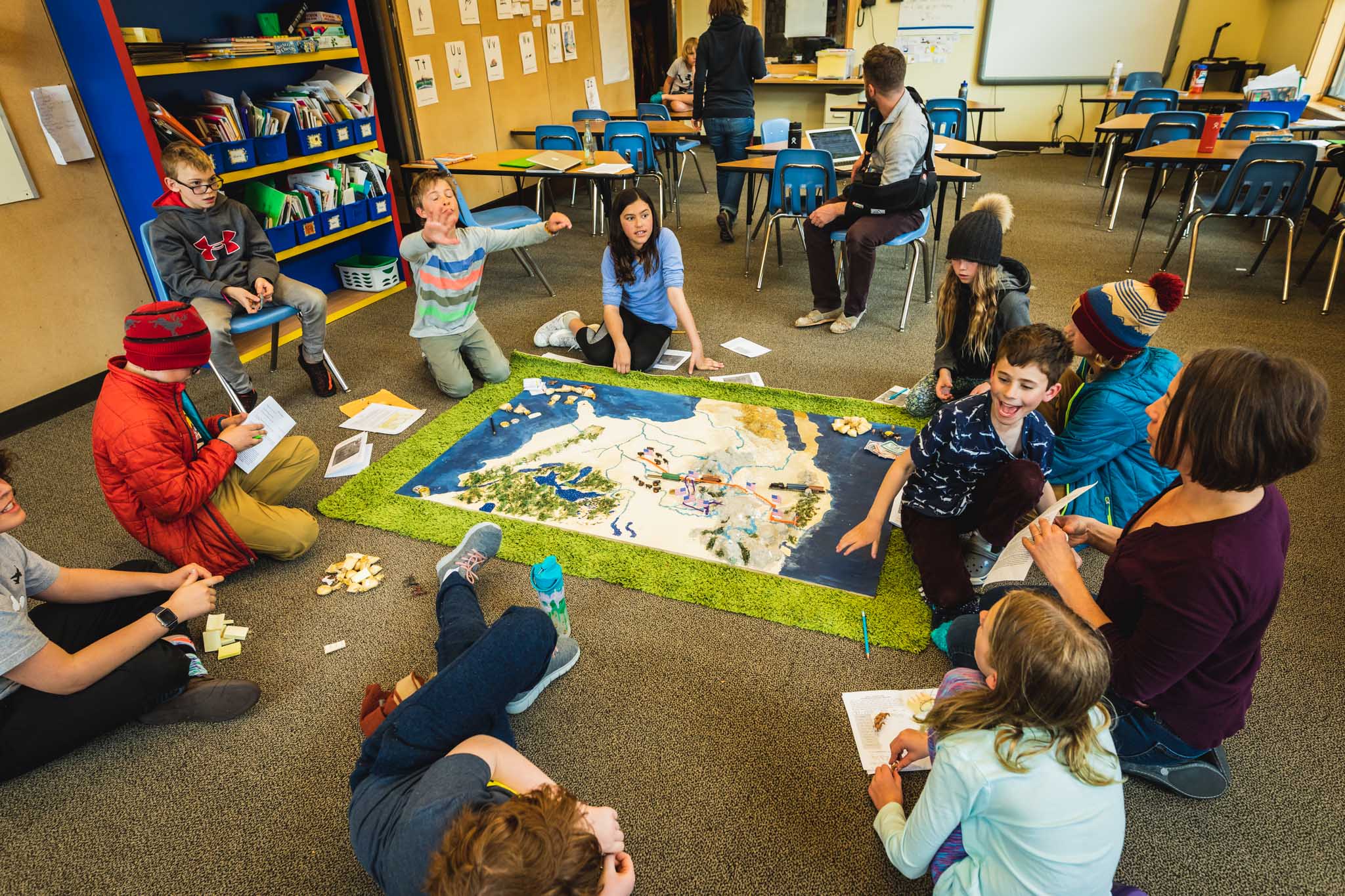
Yes. JAMs use multiple viewpoints to engage diverse learners through collaborative, inquiry-led design.
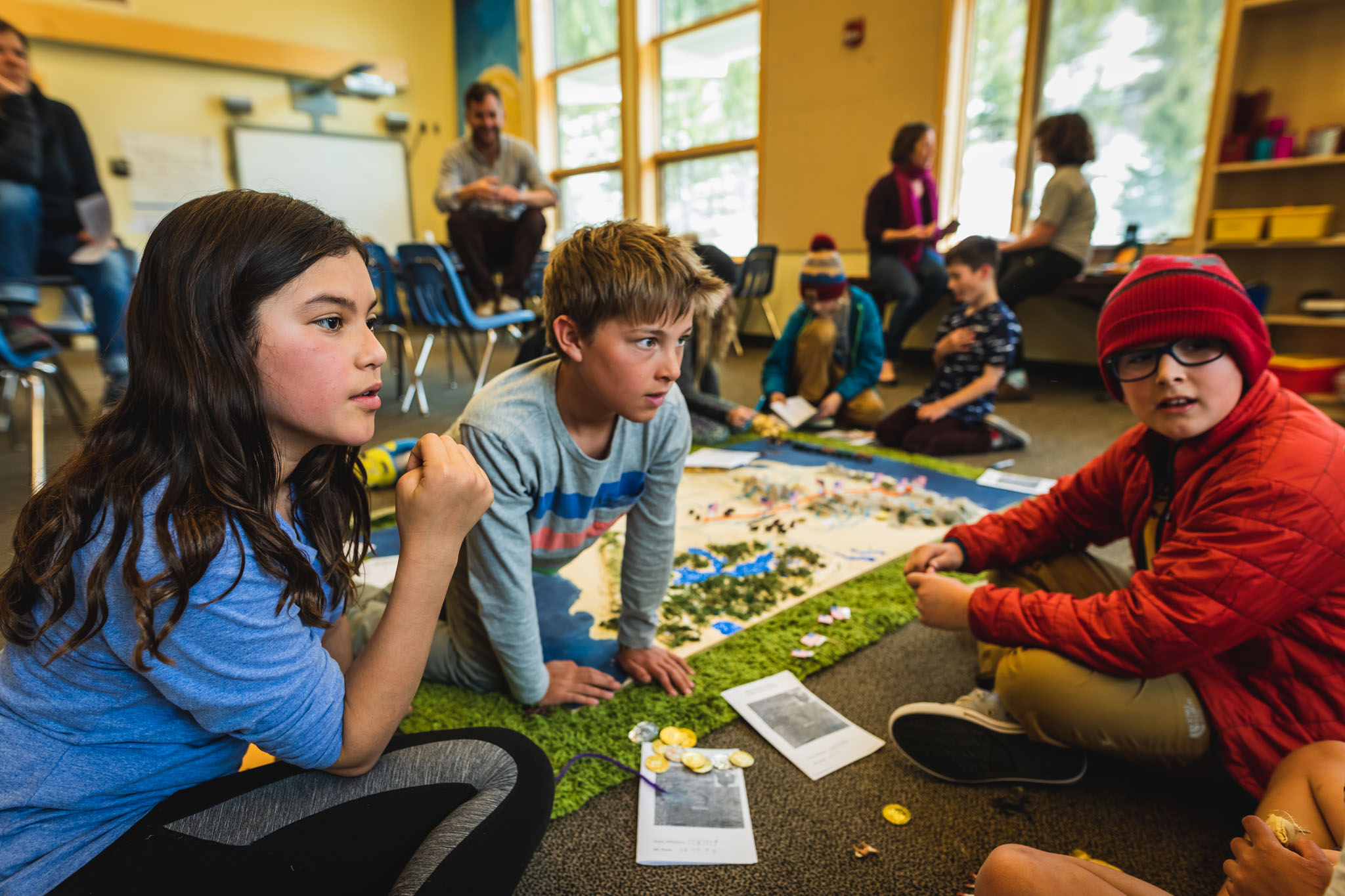
Absolutely. Each JAM includes Guiding Questions to support rich discussions. Look, kids have AI to help them find the correct answer to any question. Moving forward, adults are tasked with modeling curiosity, humility, and trust by saying, “I'm not certain. Let’s investigate!”